
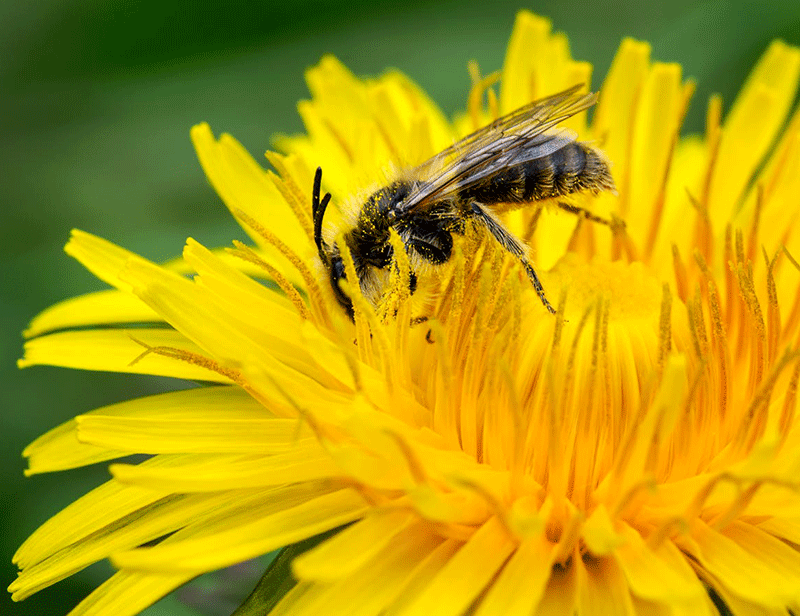
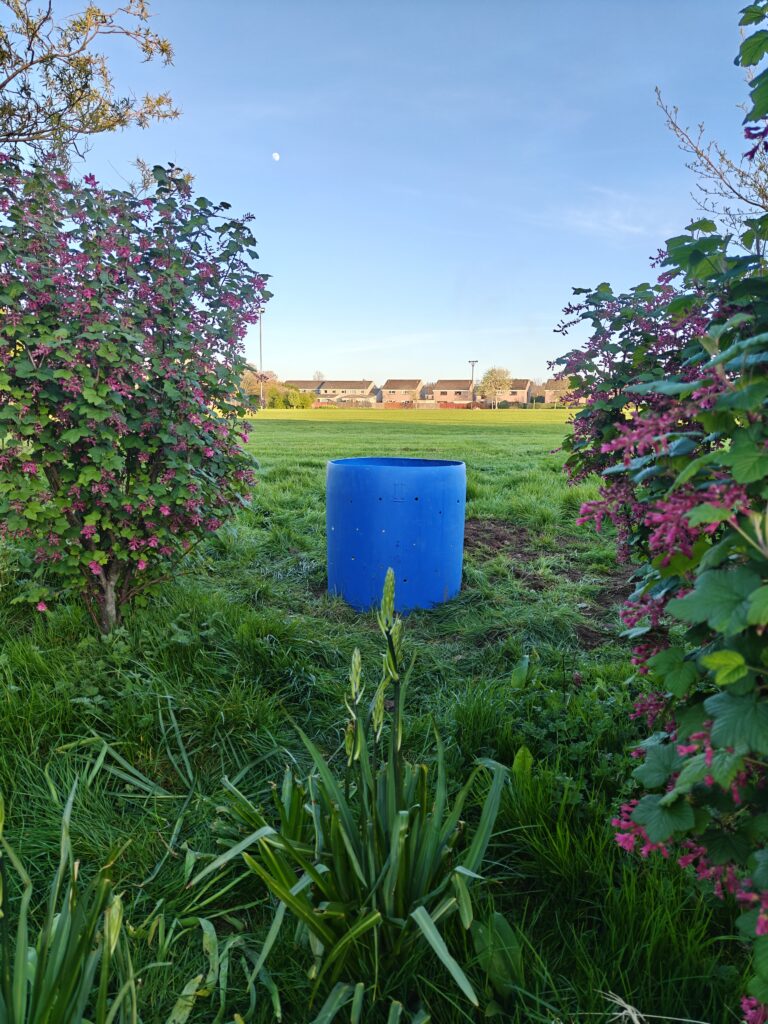
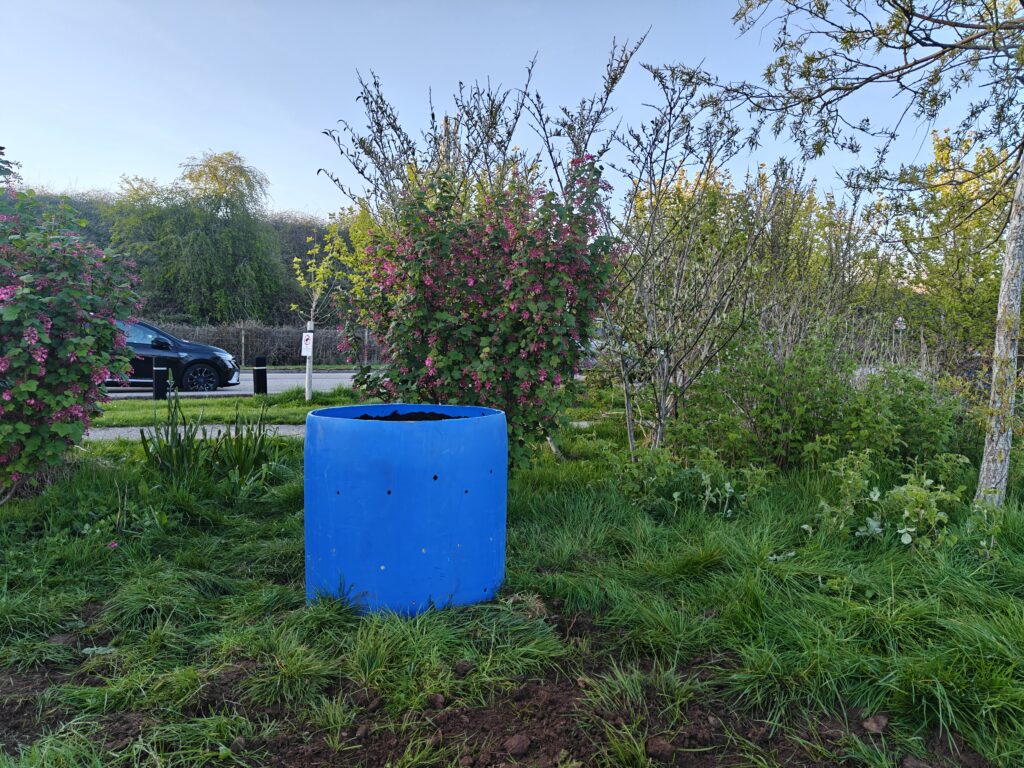
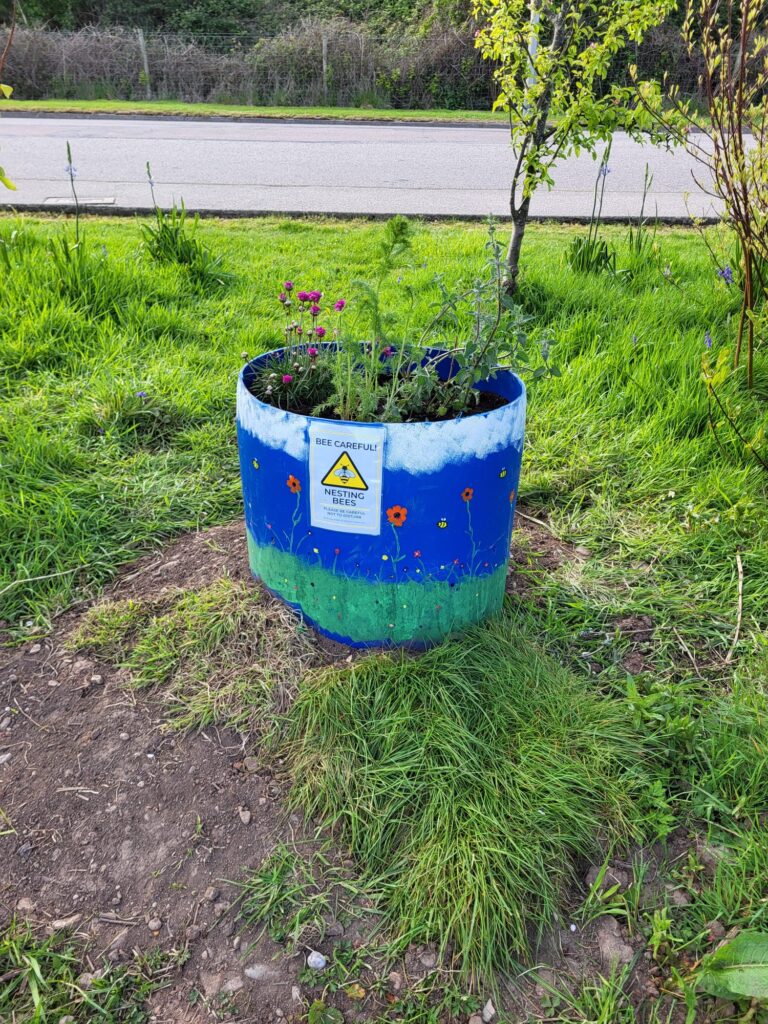
You may have noticed two new blue barrels appear in the Park adjacent to Forest Drive Road. We have added two new Bee Sand Planters – these are designed to support ground-nesting solitary bees, which make up over 88% of UK bee species. They combine, in a single structure, a nesting habitat with forage plants, creating a self-contained ecosystem. These species of solitary bees do not form colonies with a queen or workers like bumblebees or honey bees.
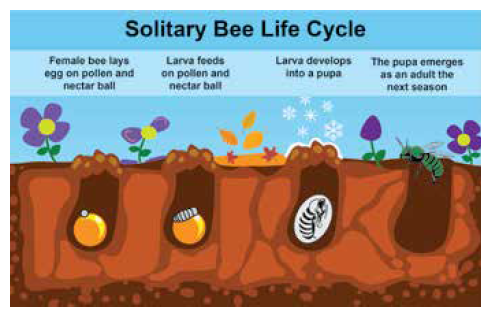
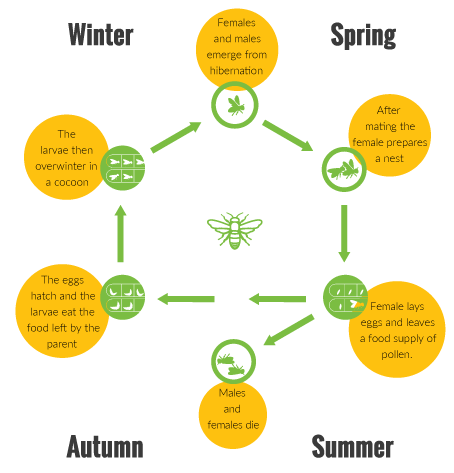
Each female makes her own small nest. Within each cell, she lays a fertilised egg and leaves a food reserve composed of regurgitated nectar and pollen. The larvae feed on the provisioned food before pupating and spending the winter hibernating to emerge as adults the next year. Solitary bees are harmless and not aggressive and are excellent pollinators.
You get mining bees who burrow into the ground and cavity nesting bees who prefer existing holes in hollow stems, wood or stone. Solitary bees will only travel a few hundred metres for food and are only here for a short time each year – around 6-8 weeks, the rest of the time they are hibernating in their nest.
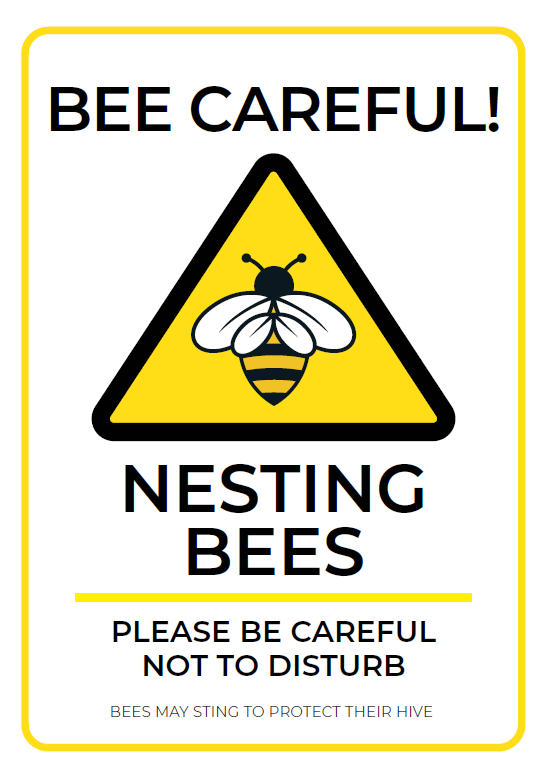
We hope to attract some inhabitants this year so will be monitoring closely. New signs will be put up to make sure everyone knows not to get too close and not to bother the bees. The barrels will be decorated to blend them into their surroundings a little more over the coming months as fine weather improves.
Best Pollinators
Some of the best pollinators are ranked 1 – 5 in popularity with Bees;
St John’s wort
eg. Hypericum perforatum
Cranesbill
eg. Geranium himalayense or G. macrorrhizum
Lavender
eg. Lavandula ‘Hidcote’ or ‘Munstead’
Bellflower
eg. Campanula medium
Black Horehound
Ballota nigra
Some other essential plants we need to be looking at include; Mint, Nettle, Toadflax, Lambs ear, Holly and Ivy. Bees also love clusters of blue plants as they can only perceive the UV end of the spectrum and can’t see red wavelengths. Examples include lavender, Salvia nemorosa, cornflower, foxglove, rosemary, lambs ear, cranesbill, tall verbena and Allium ‘purple sensation’
Solitary Bee Life Cycle
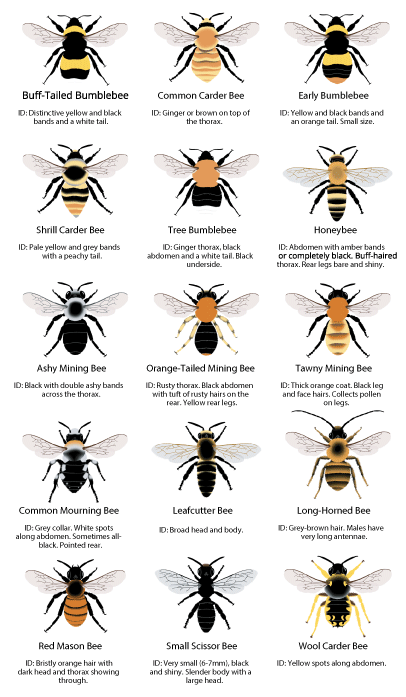
Bee Species Identifier
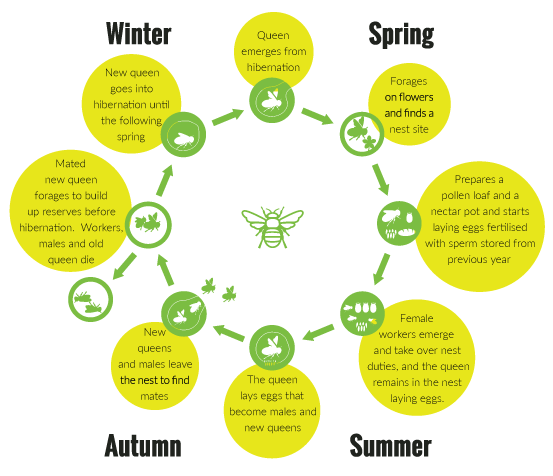
Bee Nesting Cycles
| Bumblebee Nesting | Solitary Bee Nesting |
 |  |
If you see any bees please take a photo and share it to our Facebook page or email – fofdp23@gmail.com
Courtesy of The 2025 Pollinating London Together Clerkenwell Report